William W. Towns, PhD, MBA
Frameworks for a world in continuous change.
Research and practical tools for leaders navigating organizational transformation, responsible innovation, stakeholder alignment, and societal change.
I'm looking for...
Find the right starting point.
The continuous-change system
Diagnose. Redesign. Align. Mobilize.
Diagnose disruption, redesign institutions, align stakeholders, and mobilize capital.
The objective is not prediction. It is institutional capacity for continuous adaptation.
Change is no longer episodic.
Artificial intelligence is reshaping work. New technologies are redefining industries. Public expectations are changing how organizations earn trust.
Economic, political, demographic, and environmental pressures are altering the conditions under which leaders make decisions. These forces do not operate independently. Together, they form a system of continuous change.
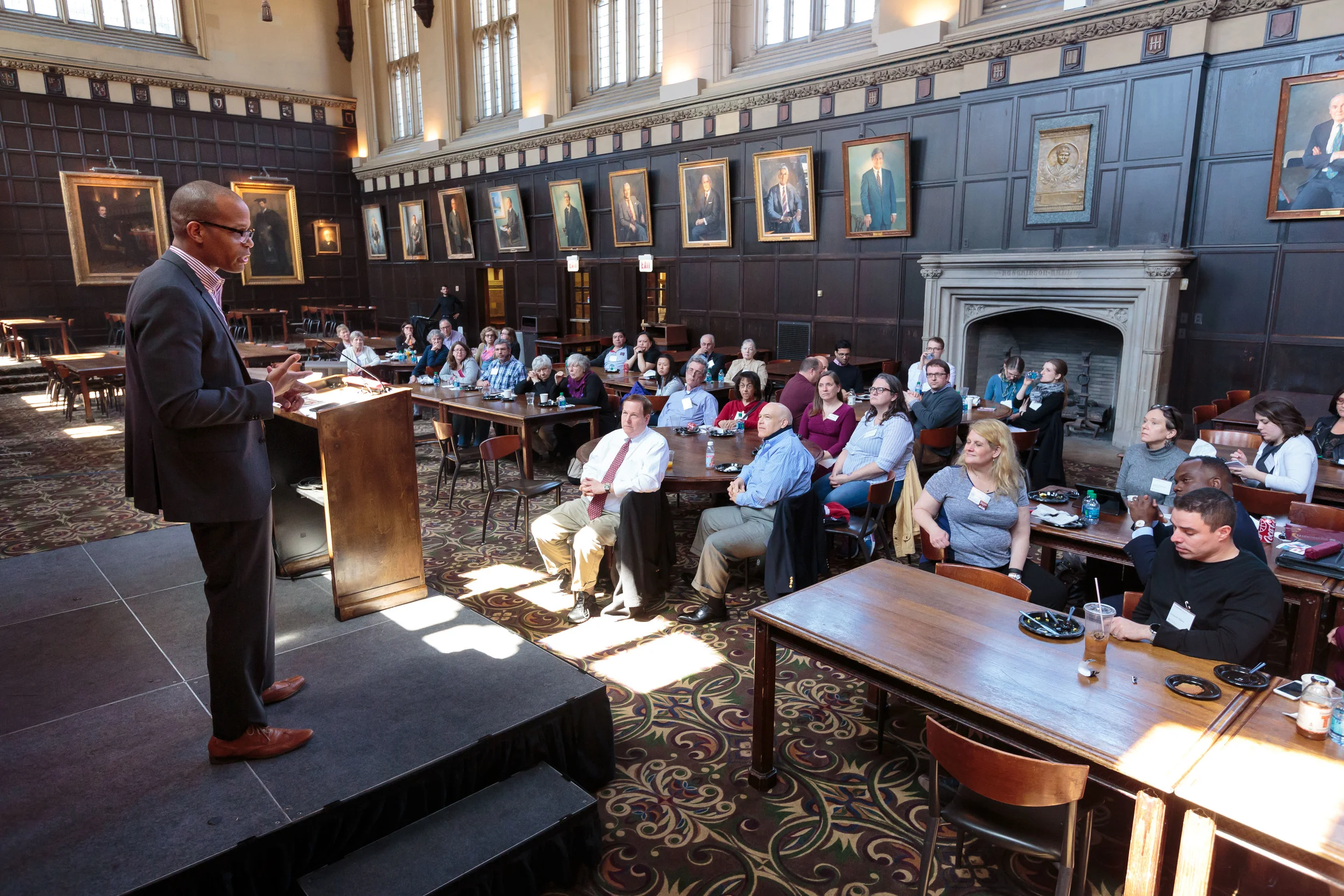
Dr. William W. Towns studies how organizations interpret that system, adapt before existing advantages erode, build stakeholder alignment, and create durable economic and societal value.
The central leadership challenge is no longer managing a period of change. It is building an organization capable of changing continuously.
Four frameworks for continuous change
Make complex change visible and actionable.
Societal Recalibration Cycle
Explains how technology, information, public expectations, political shifts, and economic conditions repeatedly reshape markets and institutions.
Explore the cycle →Organizational Transformation Framework
Shows how organizations move from disruption and decoupling toward redesign, execution, and renewed alignment.
Explore the framework →Strategic Alignment Framework
Helps leaders identify who shapes a consequential decision and determine how stakeholders should be engaged.
Explore strategic alignment →Capital for Systems Change
Shows how multiple forms of capital can be aligned to implement and sustain transformation.
Explore capital for systems change →Together, the frameworks help leaders diagnose change, redesign institutions, align stakeholders, and mobilize resources for durable action.
A connected research agenda
Five questions shaping the work.
Organizational transformation
How do leaders distinguish structural change from temporary volatility and renew an organization before its current model loses relevance?
Responsible innovation
How can organizations adopt artificial intelligence and emerging technologies while strengthening governance, workforce readiness, and trust?
Stakeholder alignment and institutional action
How do leaders build sufficient alignment among stakeholders with different interests, authority, incentives, relationships, and levels of influence?
Capital and systems change
How can multiple forms of capital be coordinated to address challenges that no organization or sector can solve alone?
Leadership and institutional trust
How do leaders create legitimacy, alignment, and durable value when stakeholder expectations are changing and authority is distributed?
Ideas brought into practice
Research becomes useful when it improves judgment.
Executive education
Applied learning for leaders and organizations confronting consequential change.
Explore executive education →Speaking
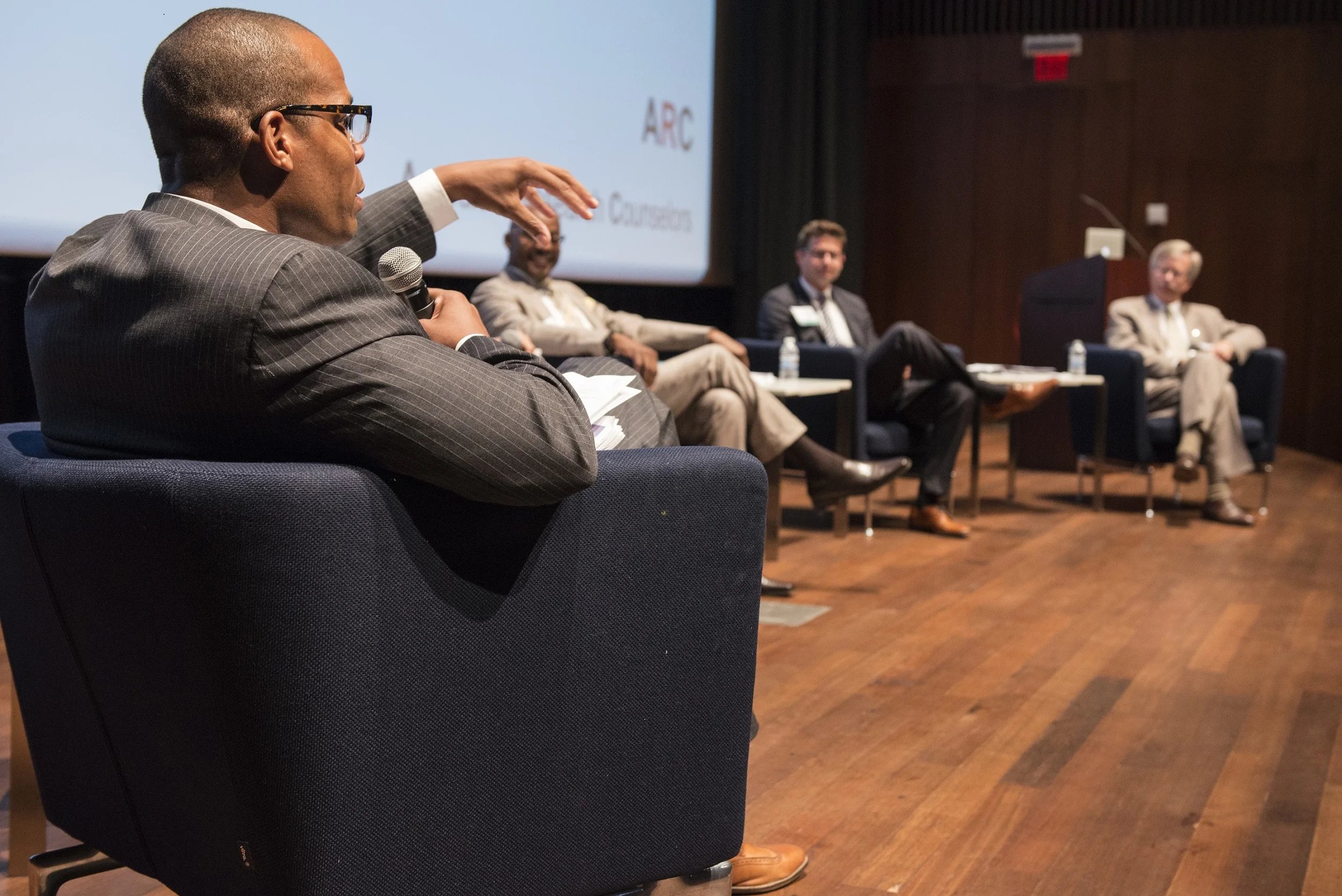
Research-driven keynotes, executive briefings, and conversations about transformation, technology, capital, and institutions.
Explore speaking topics →Advisory
Select engagements focused on organizational strategy, responsible innovation, leadership, and systems transformation.
Explore advisory work →Scholar-practitioner
Research grounded in cross-sector leadership.
Dr. William W. Towns connects management scholarship with more than two decades of leadership experience across business, government, philanthropy, higher education, and civic institutions.
Across those settings, his work asks how leaders can build organizations that remain adaptive, innovative, and worthy of trust.
A starting point